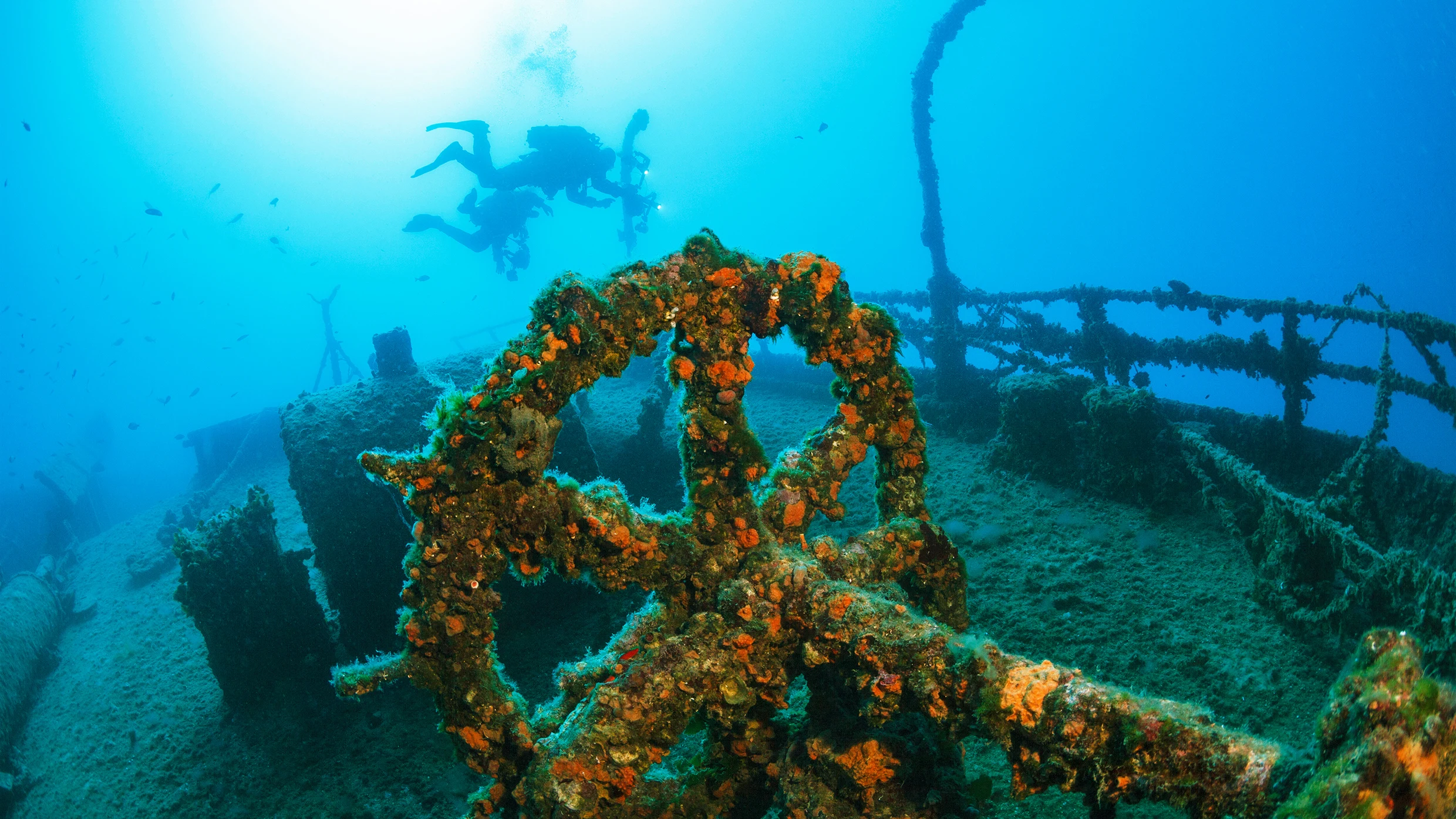
Artificial reefs in the Gulf of Mexico are sparking renewed debate among scientists, fishermen, and environmentalists over whether discarded materials can play a positive role in marine ecosystems. For decades, items ranging from decommissioned cargo containers and helicopters to household appliances like washing machines have been intentionally submerged to create reef-like structures. While the idea may sound counterintuitive, the goal has been to stimulate marine biodiversity, enhance fishing yields, and support coastal economies that rely heavily on thriving fisheries.
The practice, once loosely regulated and sometimes improvised by local fishermen, has evolved into a more structured environmental strategy. Today, artificial reef programs are increasingly guided by marine science and sustainability frameworks, reflecting growing awareness that ocean ecosystems require careful management. Researchers are now studying whether these submerged structures function as genuine ecological assets or simply shift environmental problems beneath the surface.
How Artificial Reefs Support Marine Ecosystems
Artificial reefs are designed to mimic natural underwater habitats such as coral reefs and rocky outcrops. By introducing hard surfaces into otherwise sandy or muddy seabeds, these structures provide shelter, feeding grounds, and breeding areas for marine species. Fish, crustaceans, and even algae quickly colonize these environments, creating layered ecosystems that can develop within months.
Studies referenced by institutions like https://www.noaa.gov show that properly designed reefs can increase local biodiversity and fish density. In regions where natural reefs have been degraded by storms, pollution, or climate stress, artificial alternatives may help restore ecological balance. For fishermen, the benefits are also economic. Concentrated fish populations can improve catch efficiency, reduce fuel costs, and support tourism industries centered on recreational fishing and diving.
However, not all artificial reefs are created equal. Materials used in earlier decades were often selected based on availability rather than environmental safety. Items like old appliances or vehicles sometimes contained plastics, coatings, or chemical residues that raised concerns about long-term pollution. This has led to stricter material guidelines and more scientific oversight in modern reef-building projects.
Economic Gains and Environmental Tradeoffs
Artificial reefs have become closely tied to coastal economic development. Communities along the Gulf Coast have reported increased charter fishing activity, higher tourism revenue, and stronger seafood industries linked to reef sites. Economic analyses published through platforms such as https://www.worldbank.org suggest that sustainable marine infrastructure can generate long-term returns when ecological and commercial goals align.
Yet environmental experts caution that artificial reefs can produce unintended consequences. Some scientists argue that these structures may merely attract fish rather than increase overall populations, potentially leading to localized overfishing. Others warn that poorly planned reefs can disrupt natural seabed habitats or introduce invasive species that outcompete native marine life.
To address these concerns, conservation organizations and policymakers are advocating for stricter monitoring and adaptive management. Data-driven reef placement, long-term biodiversity tracking, and ecosystem modeling are becoming standard components of newer programs. Guidance frameworks available through https://www.iucn.org emphasize that artificial reefs should complement, not replace, broader marine conservation efforts.
The Future of Sustainable Reef Building
Modern artificial reef initiatives are moving toward purpose-built designs that prioritize environmental safety and durability. Instead of random debris, engineers are increasingly using specially constructed concrete modules, reef balls, and cleaned industrial structures designed to minimize ecological risks. These materials are tested to ensure they do not leach harmful substances into surrounding waters.
Collaboration between scientists, fishermen, and policymakers is also improving outcomes. Universities and marine research centers are deploying underwater monitoring technologies to track species diversity and habitat development over time. Insights shared via educational platforms like https://oceanservice.noaa.gov are helping coastal communities adopt best practices and avoid mistakes seen in earlier reef programs.
As climate change and habitat loss continue to threaten marine ecosystems, artificial reefs may play an expanding role in ocean management strategies. While they are not a universal solution, carefully planned reef systems could help buffer ecological decline, support fisheries, and strengthen coastal economies. The ongoing challenge will be balancing innovation with environmental responsibility, ensuring that what was once considered ocean junk evolves into a tool for sustainable marine stewardship.