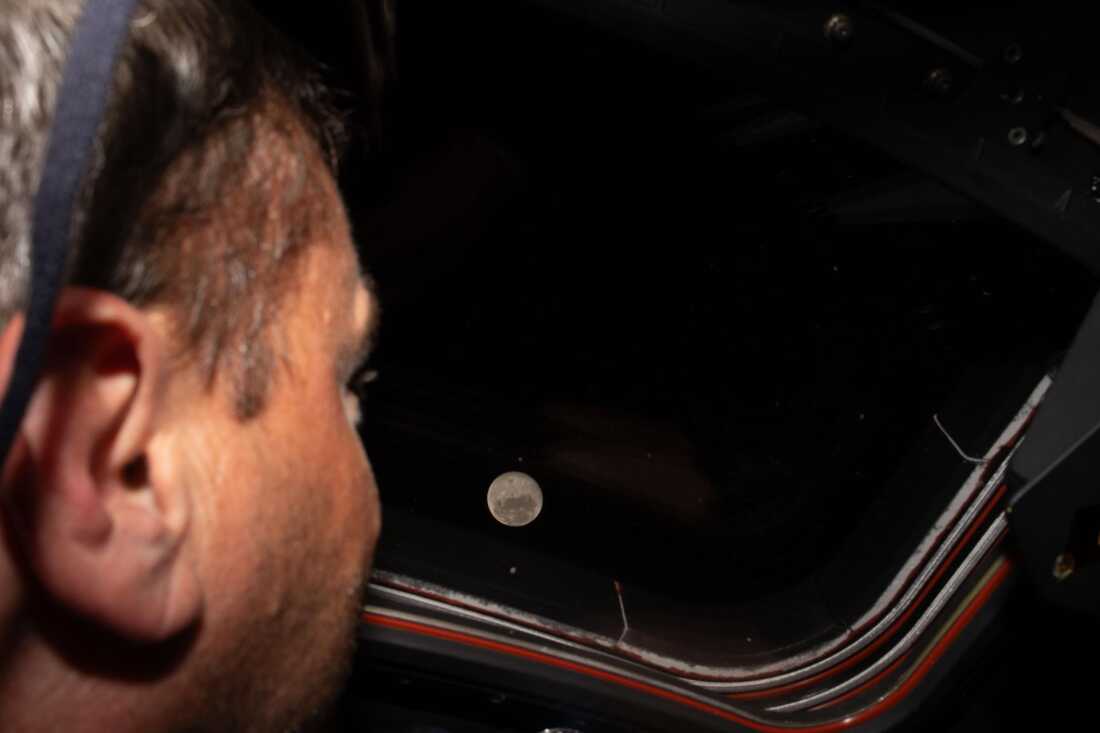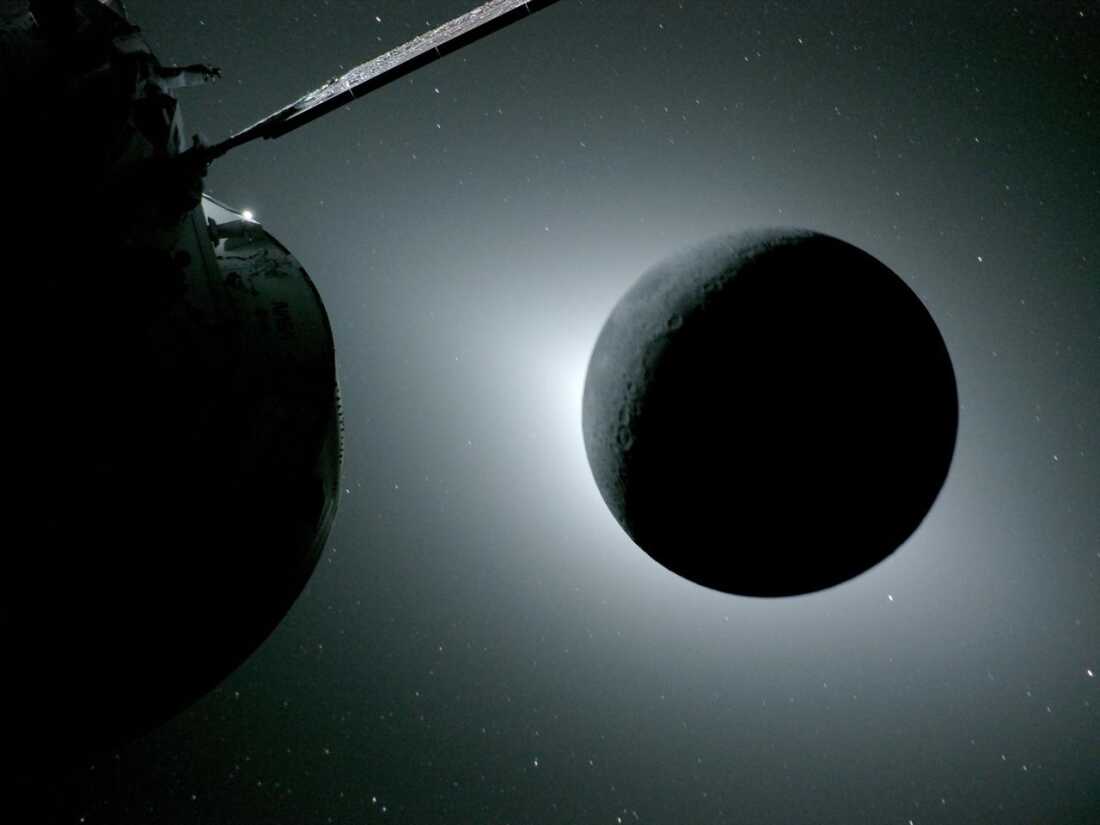
Astronauts aboard Artemis II have delivered unprecedented observations of the Moon, describing regions never before seen by human eyes. The mission, led by NASA, marked a historic return to deep space exploration and set a new record for the farthest distance traveled by humans.
As the crew orbited the far side of the Moon, they provided real-time descriptions that are expected to significantly enhance scientific understanding of lunar geology and surface composition.
Record-breaking distance and human perspective in space
During the mission, Artemis II surpassed the distance record set by Apollo 13, reaching beyond 248,655 miles from Earth. This milestone underscores the growing capabilities of modern spaceflight and the renewed push toward sustained lunar exploration.
Mission specialist Jeremy Hansen emphasized the importance of continuing human exploration beyond current limits, encouraging future generations to build on this achievement.
While satellites like the Lunar Reconnaissance Orbiter have mapped the Moon in high resolution, scientists stress that human observation remains irreplaceable. The ability to interpret subtle visual details and communicate them in real time provides a richer layer of understanding that complements existing data.
For more on human space exploration, visit https://www.nasa.gov
Detailed observations of the Moon’s far side
One of the mission’s key achievements was the close observation of multiple lunar targets, including areas that have only been studied remotely until now. The astronauts described surface textures, color variations, and even meteoroid impacts occurring on the far side of the Moon.
Experts from the Universities Space Research Association highlighted the importance of these observations, noting that the human eye can detect nuances that automated instruments may overlook.
Planetary scientists also point out that astronauts can identify unusual features in real time, potentially guiding future missions toward areas of high scientific interest.
To learn more about lunar science, visit https://solarsystem.nasa.gov and https://www.esa.int
The Orientale Basin and future lunar missions
Among the most significant features observed was the Orientale Basin, a विशाल structure estimated to be 3.8 billion years old. Stretching nearly 600 miles wide, the basin is one of the largest and most well-preserved impact sites on the Moon.
For the first time, astronauts were able to view the entire formation directly, offering new insights into its structure. Mission commander Reid Wiseman described its distinctive annular rings and contrasting color patterns, which may help scientists better understand the Moon’s geological history.
These findings are expected to play a critical role in planning future missions, including potential landings and the establishment of long-term research outposts on the lunar surface.
For further updates on global space missions, visit https://www.spacex.com
As Artemis II continues its journey back to Earth, the mission stands as a pivotal step toward deeper exploration of the Moon and beyond, combining human curiosity with advanced technology to unlock new frontiers in space science.