Astronauts Witness Lunar Details Satellites Cannot Fully Capture
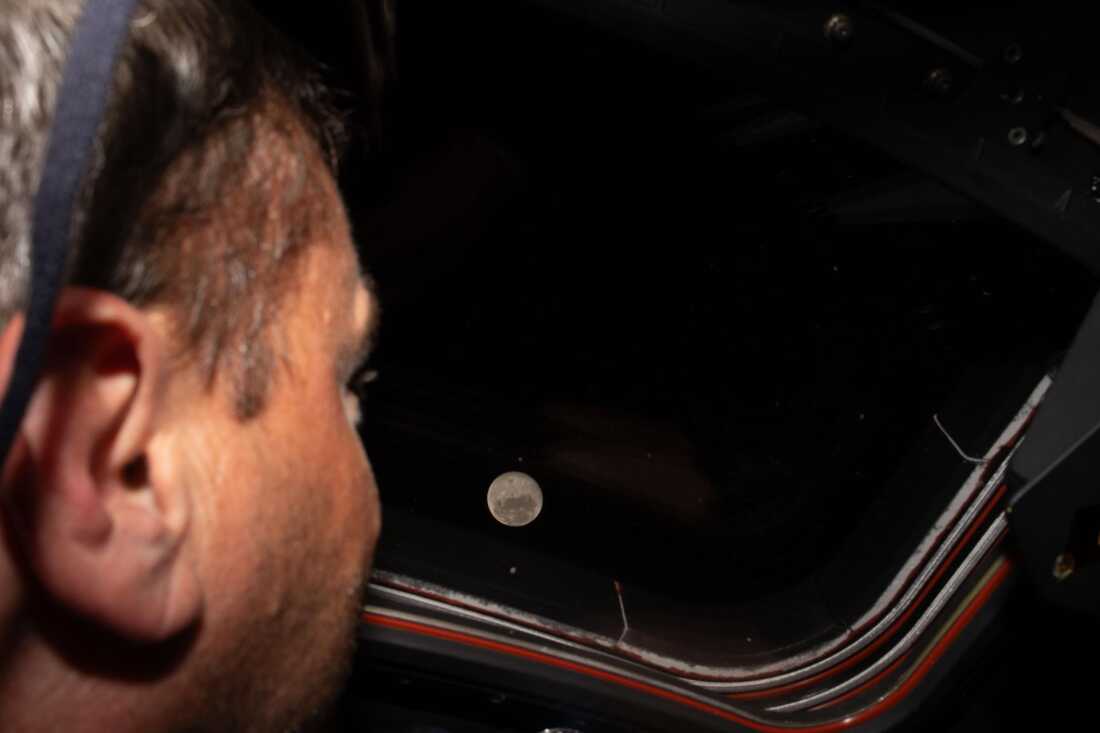
The crew of NASA’s Artemis II mission is providing a unique human perspective of the Moon that goes beyond what satellites have captured. As the Orion spacecraft performs its historic lunar flyby, astronauts are observing subtle details in real time that automated systems often cannot fully interpret.
Unlike satellites, which rely on pre-programmed imaging systems and fixed data collection parameters, human observers can instantly identify variations in color, texture, and lighting. These observations are especially valuable when examining areas of the Moon under changing illumination conditions.
The mission marks the first time in more than 50 years that humans have traveled this far into space, surpassing previous distance records and offering a renewed opportunity for direct lunar observation.
For more about NASA missions and exploration, visit https://www.nasa.gov
Color Variations and Surface Nuances Offer New Scientific Insights
One of the key scientific objectives of the Artemis II flyby is to analyze subtle color differences across the Moon’s surface. While satellites such as lunar orbiters have mapped the Moon extensively, the human eye can detect nuanced variations in reflectivity and shading that may not be immediately evident in processed images.
Astronauts are trained to recognize these differences and describe them in real time, contributing valuable qualitative data to complement existing measurements. The ability to observe how light interacts with the surface at different angles provides additional context for understanding lunar composition.
As the spacecraft moves, changing angles of sunlight reveal both color and topographical features in ways that static satellite imagery cannot replicate. This dynamic perspective allows scientists to better connect surface composition with physical structure.
To explore more about lunar science and research, visit https://www.lpi.usra.edu
Real-Time Observations Enhance Understanding of Lunar Topography
Another major advantage of human presence during the flyby is the ability to perceive depth and three-dimensional structure. Astronauts have reported seeing crater formations and mountainous regions with a level of clarity that surpasses digital models.
This three-dimensional perception helps distinguish relationships between surface features such as craters, ridges, and plains. For example, formations like Tycho Crater appear more pronounced when viewed directly, offering insights into their scale and formation processes.
NASA has identified dozens of geological features for observation during the mission, and astronauts are providing live commentary throughout the flyby. These real-time descriptions allow scientists on Earth to correlate human observations with existing datasets.
Additional details on planetary geology can be found at https://www.usgs.gov
A New Perspective on the Moon’s Far Side and Future Exploration
Artemis II is also offering rare views of the Moon’s far side, a region that is less familiar due to its limited visibility from Earth. During the flyby, astronauts are observing this area under unique lighting conditions, including partial illumination that highlights features not typically seen.
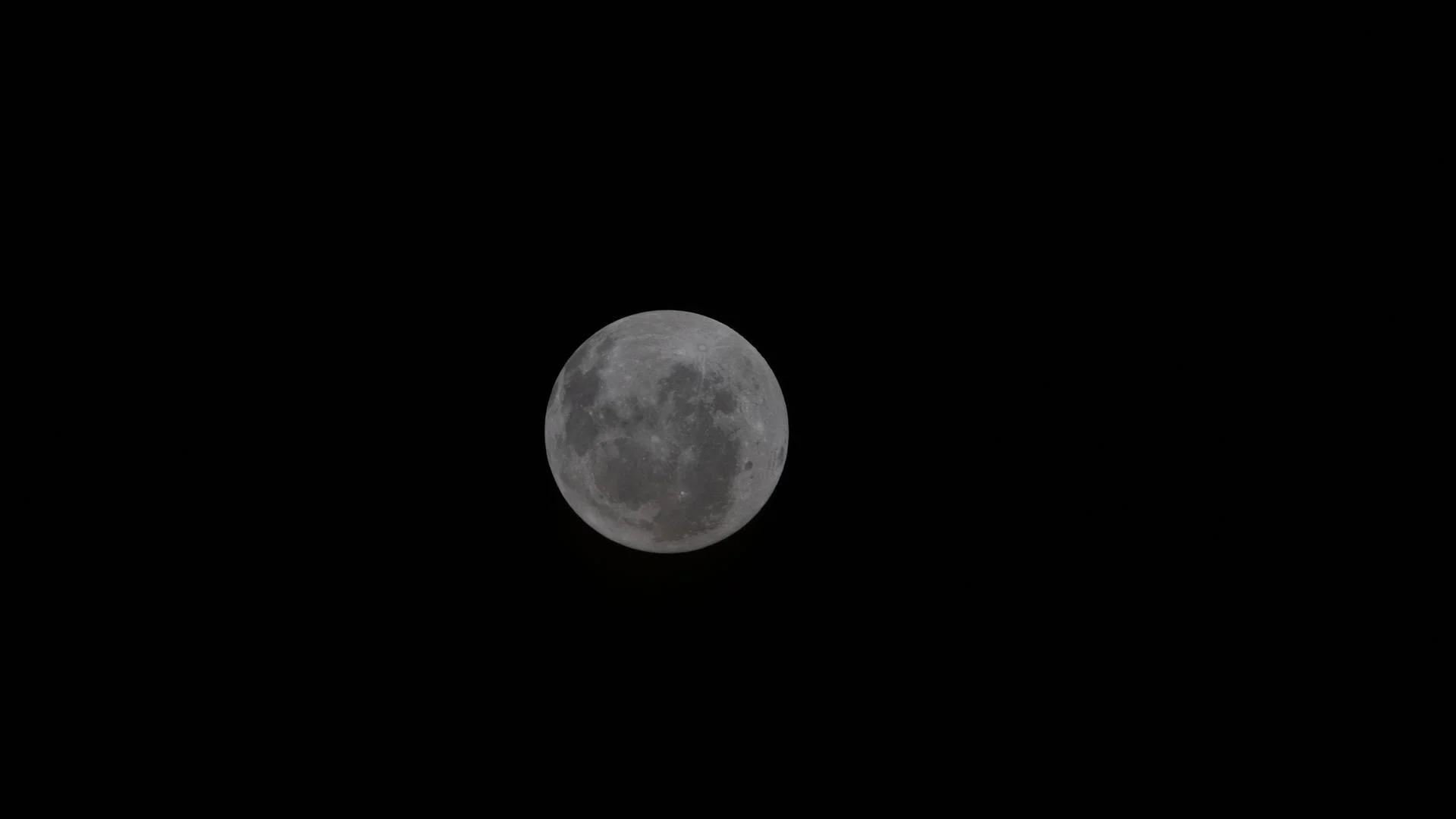
The mission’s distance from the Moon, while farther than previous crewed missions, allows for a full-disc view that provides broader context for understanding lunar geography. This perspective is expected to support future missions, including planned landings near the lunar south pole.
In addition, astronauts are observing celestial events such as a solar eclipse from space, further expanding the scientific value of the mission.
For updates on future lunar missions and exploration goals, visit https://www.esa.int