Artemis II progresses steadily toward the Moon
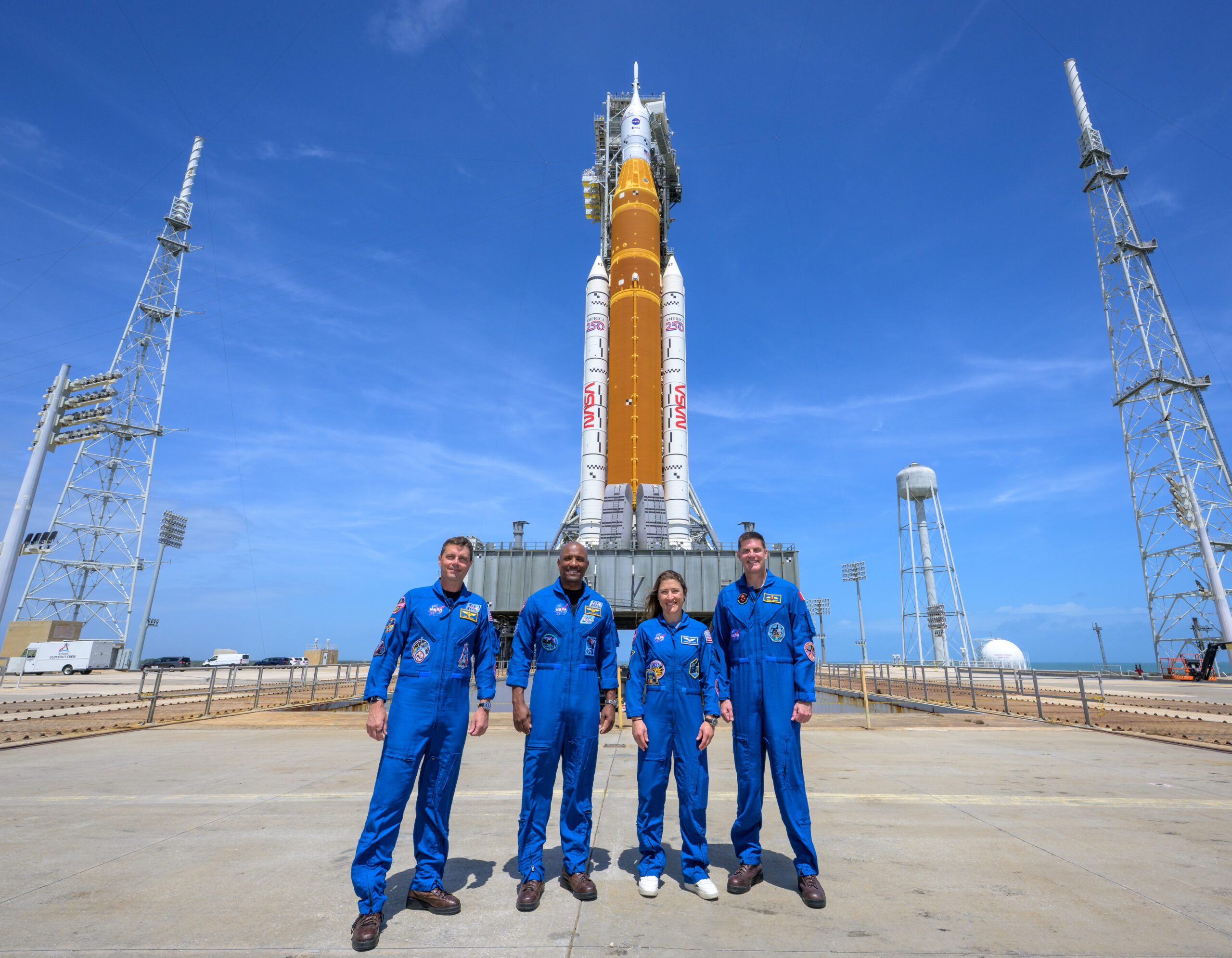
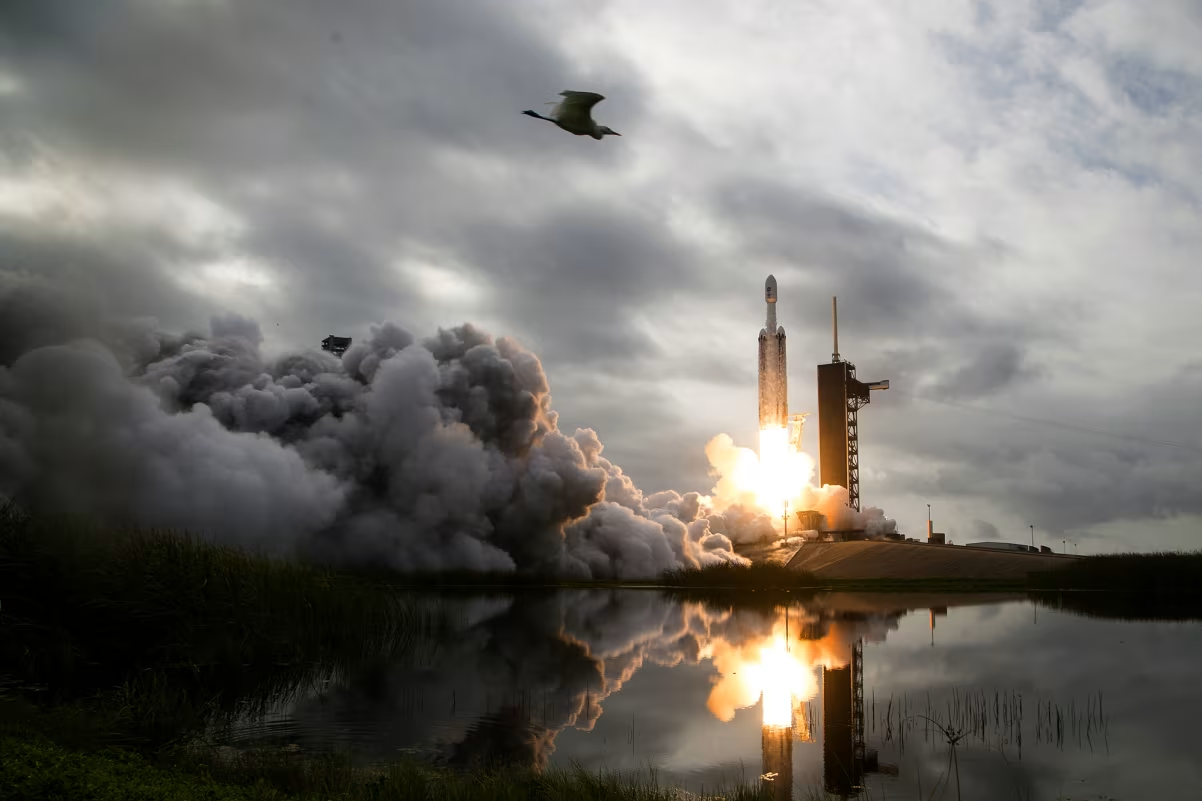
The Artemis II mission is approaching a pivotal moment as it continues its journey toward the Moon, marking humanity’s first crewed return to deep space in more than five decades. Launched earlier this week from Florida, the spacecraft has now reached nearly the midpoint of its trajectory, maintaining a stable and precise flight path without requiring early course corrections.
Traveling at approximately 5,632 kilometers per hour, the Orion capsule is on track to reach lunar orbit in the coming days. Engineers monitoring the mission through NASA systems confirmed that the spacecraft remains aligned with its intended route, allowing teams to cancel the first planned trajectory adjustment.
This milestone reflects both the precision of modern navigation systems and the extensive preparation behind the Artemis program. As the mission unfolds, it represents a critical step toward future lunar landings and long-term exploration efforts.
Crew captures Earth views and prepares for record distance
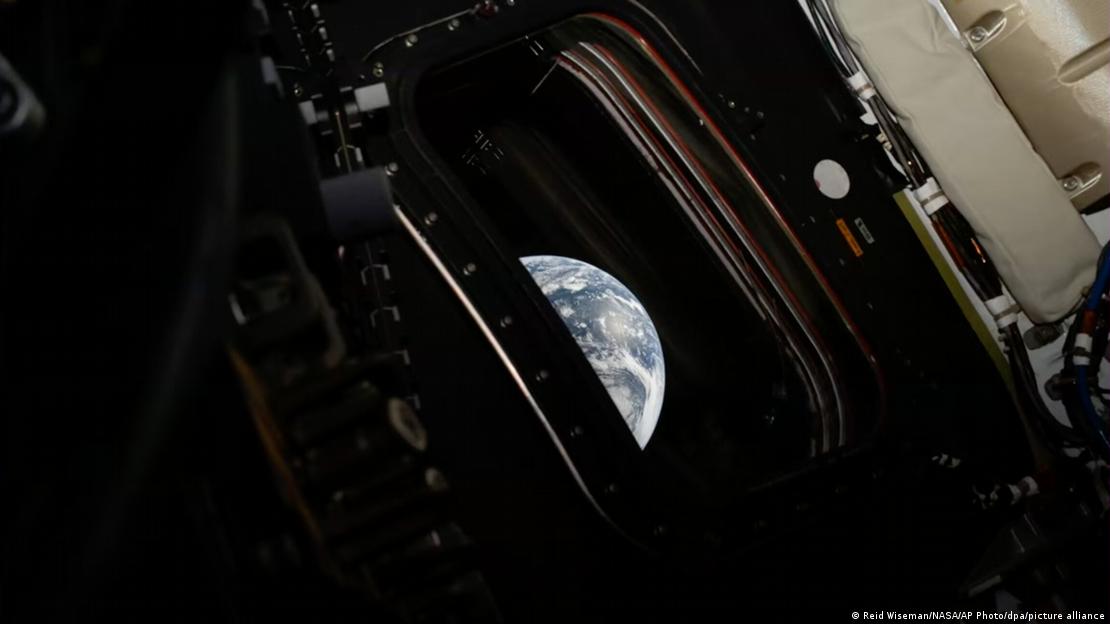
Onboard the spacecraft, the four-member crew has already begun documenting their journey, transmitting the first images of Earth from deep space. These visuals reveal the planet as a luminous sphere framed by the darkness of space, with swirling cloud formations and even visible auroras illuminating the atmosphere.
The mission’s commander and crew members are expected to reach a maximum distance of 406,773 kilometers from Earth, surpassing the record set during the Apollo 13 mission in 1970. This achievement will establish Artemis II as the farthest crewed flight ever conducted.
According to data tracked through platforms like the European Space Agency, the spacecraft has already covered a substantial portion of the distance between Earth and the Moon. The crew will execute a flyby of the Moon’s far side before beginning their return journey, a maneuver designed to test systems ahead of future landing missions.
Astronauts have described the experience as both technically demanding and emotionally powerful, particularly when viewing Earth from such a distance. These moments highlight the human dimension of space exploration, even as the mission remains focused on operational objectives.
Precision navigation and global tracking systems
As Artemis II continues along its trajectory, mission controllers at the Johnson Space Center in Houston are closely monitoring every aspect of the flight. The decision to skip the initial correction maneuver demonstrates the accuracy of the spacecraft’s navigation systems and reduces the need for additional fuel adjustments.
Real-time tracking tools, such as those provided through the satellite tracking platforms, allow the public to follow the mission’s progress, including speed, distance, and position relative to Earth and the Moon. These systems offer unprecedented transparency, enabling global audiences to engage with the mission as it unfolds.
Further adjustments remain scheduled if needed, ensuring that Orion maintains optimal speed and alignment throughout its journey. The spacecraft’s propulsion system, which was activated shortly after launch, continues to guide it along a carefully calculated path designed to maximize efficiency and safety.
In parallel, international collaboration plays a key role in supporting the mission. Agencies such as the Canadian Space Agency are actively involved, with crew members participating in live communications and outreach events during the flight.