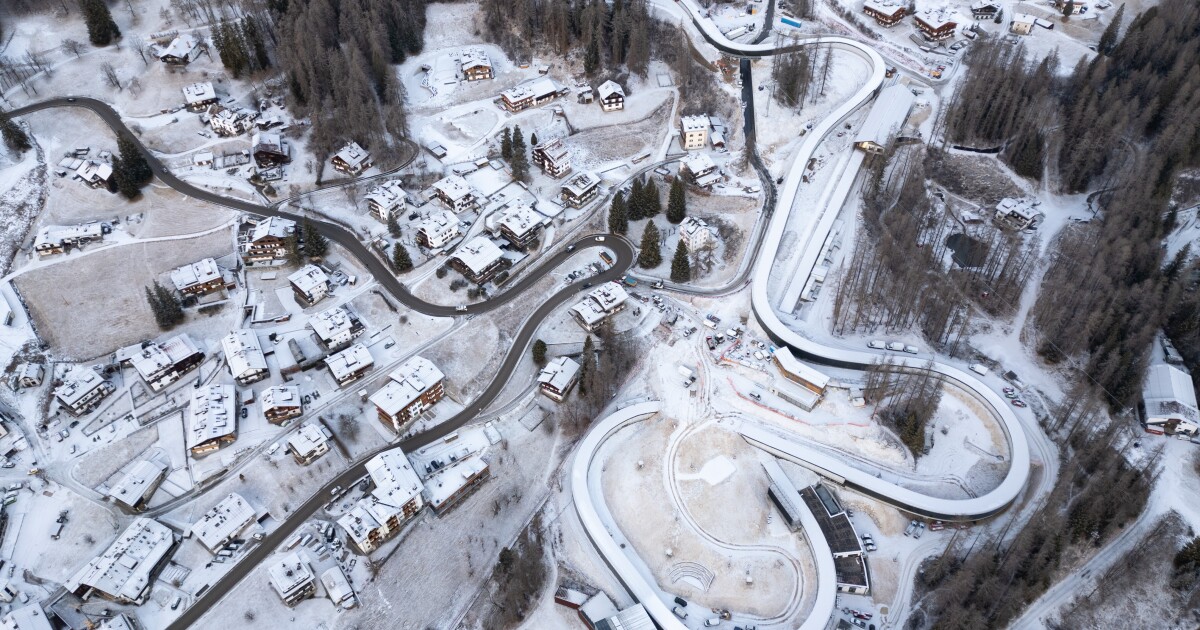
The 2026 Winter Olympics in Italy were envisioned as a global benchmark for sustainability, environmental responsibility, and climate-conscious development. Awarded to Milan and Cortina d’Ampezzo, the Games were promoted as an opportunity to showcase how international sporting events could coexist harmoniously with fragile mountain ecosystems. However, as preparations accelerate across the Italian Alps, environmental advocates, scientists, and local residents increasingly question whether these promises are being upheld.
Nestled high in the Dolomites, a UNESCO World Heritage Site, Cortina d’Ampezzo has long symbolized luxury tourism and pristine Alpine beauty. Yet, as construction cranes dominate the skyline and mountainsides are reshaped for Olympic infrastructure, critics warn that irreversible ecological damage is unfolding. Forests have been cleared, rivers diverted, and natural landscapes reshaped, raising alarms about the long-term environmental cost of hosting a mega sporting event in one of Europe’s most delicate natural regions.
Construction Boom and Its Impact on Alpine Ecosystems
One of the most visible consequences of Olympic development in Cortina is the scale of construction. Dozens of projects have been approved, including transportation upgrades, athlete villages, hospitality expansions, and sports facilities such as the new bobsled track. While organizers argue these investments will benefit the region economically, environmental groups contend they are accelerating habitat loss and ecological degradation.
According to activists from organizations such as Mountain Wilderness and Legambiente, thousands of mature trees have been cut down to make room for Olympic structures. The removal of ancient larch forests not only disrupts biodiversity but also weakens natural defenses against soil erosion and landslides. In mountainous environments, forests play a critical role in stabilizing slopes and regulating water cycles, making their loss particularly concerning.
Hydrological systems are also under stress. To ensure consistent snow coverage, especially amid warming winter temperatures, organizers increasingly rely on artificial snow production. This process requires massive volumes of water, which are being extracted from Alpine rivers and reservoirs. Environmental scientists warn that such practices threaten aquatic ecosystems, reduce water availability for local communities, and disrupt seasonal flow patterns vital for downstream agriculture.
These concerns echo broader European debates on climate adaptation and sustainability, as seen in policy discussions hosted by the European Commission, which emphasize ecosystem preservation as a cornerstone of climate resilience. Yet, critics argue that Olympic preparations contradict these principles by prioritizing short-term spectacle over long-term environmental stability.
Climate Change, Artificial Snow, and the Illusion of Winter
The growing reliance on artificial snow underscores the profound impact of climate change on winter sports. Rising average temperatures have made natural snowfall increasingly unreliable, even in traditionally snow-rich regions like the Dolomites. Ski slopes now depend heavily on snow cannons, creating narrow ribbons of white against otherwise bare mountainsides.
This technological solution, while effective in maintaining competition standards, comes at a steep environmental cost. Artificial snow requires energy-intensive machinery and substantial water resources, both of which contribute to carbon emissions and ecological strain. Moreover, studies published by the Intergovernmental Panel on Climate Change indicate that snowmaking can accelerate soil compaction and vegetation loss, undermining the very landscapes it seeks to preserve.
Organizers argue that the Games will incorporate renewable energy solutions and carbon-offset programs. However, environmental advocates insist that such measures cannot fully compensate for the ecological footprint of large-scale construction and snow production. They caution that branding the event as “green” risks masking structural contradictions between sustainability rhetoric and on-the-ground realities.
These tensions highlight a broader challenge facing global sporting events: how to reconcile tradition, economic ambition, and environmental responsibility in an era of accelerating climate change. The International Olympic Committee has pledged to align future Games with climate goals, yet critics say meaningful accountability remains elusive.
Tourism Pressure and the Future of the Dolomites
Beyond infrastructure and climate concerns, the surge in tourism associated with the Olympics raises additional sustainability questions. Cortina d’Ampezzo already experiences high seasonal visitor numbers, straining local services, housing markets, and natural resources. The influx of athletes, spectators, media, and corporate sponsors is expected to intensify this pressure, potentially transforming the town’s social and environmental fabric.
Overtourism threatens not only ecosystems but also community cohesion. Rising property prices and short-term rental demand risk displacing local residents, while increased traffic and pollution degrade air quality and tranquility. Environmental planners warn that such developments could permanently alter the character of Alpine villages, turning them into seasonal commercial hubs rather than living communities.
International organizations such as UNESCO have repeatedly emphasized the importance of safeguarding World Heritage Sites from unsustainable development. The Dolomites’ designation reflects their exceptional geological and ecological value, making the scale of Olympic construction particularly contentious.
As Italy prepares to welcome the world in 2026, the debate surrounding sustainability intensifies. Supporters highlight economic revitalization, infrastructure modernization, and international prestige. Opponents, however, argue that the true cost may be paid by ecosystems that cannot easily recover from deforestation, water depletion, and habitat disruption.
Whether the 2026 Winter Olympics will ultimately stand as a model of sustainable development or a cautionary tale remains uncertain. What is clear is that the choices made today will shape the environmental future of the Dolomites for generations to come.