A misconduct complaint filed against a judge on the U.S. Court of Appeals for the Second Circuit has intensified scrutiny of how the federal judiciary addresses allegations of workplace mistreatment involving law clerks. The complaint, submitted by a nonprofit organization that advocates for legal clerks, alleges repeated instances of bullying, verbal abuse, and intimidation within judicial chambers, while also questioning whether existing oversight mechanisms are capable of protecting court employees from retaliation.
According to the filing, the allegations stem from conversations with multiple former law clerks who reportedly chose not to come forward publicly out of concern that doing so could negatively affect their legal careers. The complaint argues that the imbalance of power between federal judges and clerks, combined with limited transparency in the courts’ internal disciplinary system, discourages reporting and allows harmful workplace conduct to persist.
Allegations and claims raised by clerk advocacy groups
The complaint describes a pattern of conduct that includes alleged yelling, public reprimands, and aggressive written communications directed at clerks. The advocacy group behind the filing states that some clerks left their positions early, while others withdrew from employment offers after learning about the alleged work environment. These claims have added to broader discussions within the legal profession about professional standards in judicial chambers and the lack of formal employment protections for court staff.
Advocates argue that while the judiciary emphasizes independence, it also relies heavily on internal self-policing. Information about misconduct complaints is generally handled confidentially under procedures outlined by the federal courts, as explained on the official website of the Administrative Office of the U.S. Courts at https://www.uscourts.gov. Critics say this structure can limit accountability when allegations involve individuals with lifetime appointments and significant institutional authority.
Oversight, investigations, and judicial accountability mechanisms
Misconduct complaints against federal judges are typically reviewed by judicial councils within each circuit. These councils can recommend corrective actions ranging from counseling to more formal measures, but they rarely disclose detailed findings to the public. The advocacy group contends that such processes often focus on remediation rather than consequences, which may not sufficiently deter repeat behavior.
The nonprofit organization filing the complaint, whose mission and ongoing reform efforts are outlined at https://www.legalaccountabilityproject.org, has previously called for clearer reporting channels, independent investigations, and greater transparency in how complaints are resolved. Its leaders argue that young attorneys entering clerkships are particularly vulnerable, as clerkships often serve as gateways to future opportunities in law firms, academia, and government.
Broader implications for the federal court system
The allegations have revived debate about structural reforms within the judiciary, including whether law clerks should have access to protections similar to those available to other federal employees. While Article III judges enjoy lifetime tenure designed to protect judicial independence, critics say that independence should not preclude accountability for workplace conduct.
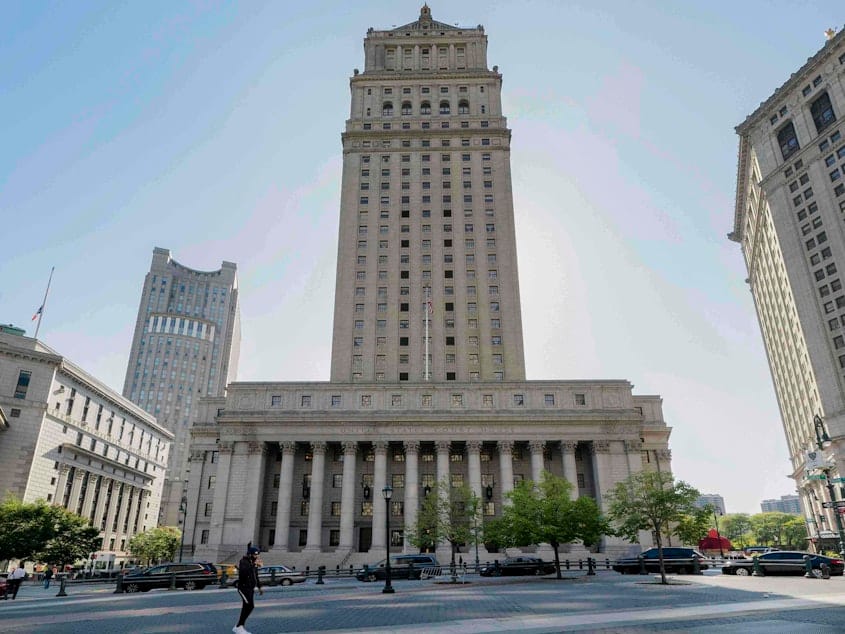
The Second Circuit, whose role and jurisdiction are detailed at https://www.ca2.uscourts.gov, oversees federal appellate cases from New York, Connecticut, and Vermont, making it one of the most influential circuits in the country. Concerns about workplace culture within such courts resonate beyond a single judge, touching on the credibility of the justice system as an employer.
Legal scholars also note that the issue intersects with broader conversations about ethics and professionalism in the judiciary, subjects frequently addressed in guidance and opinions available through the Supreme Court of the United States at https://www.supremecourt.gov. While the Supreme Court does not directly oversee lower court employment practices, its standards and public expectations shape perceptions of judicial conduct nationwide.
As the complaint proceeds, court officials may interview former and current staff and seek a response from the judge involved. Regardless of the outcome, the case underscores ongoing concerns about how allegations of mistreatment are handled within the federal judiciary and whether existing systems adequately protect those who work behind the scenes of the American legal system.