Infrared Signals as One of the Earliest Pollination Tools
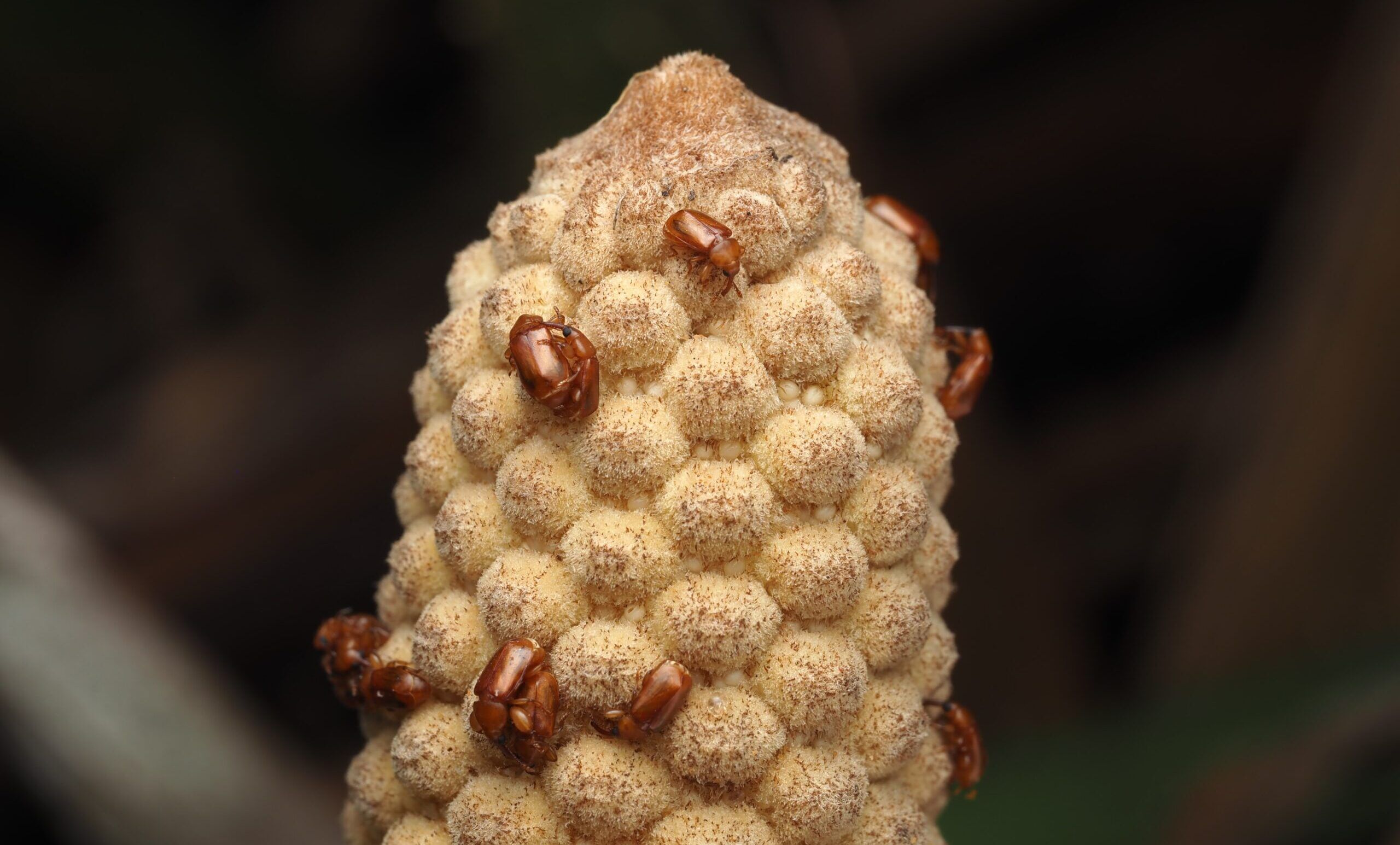
Long before flowering plants created vibrant displays to attract visitors, certain ancient species were already developing a different strategy: heat. Cycads, which still grow today in tropical forests and are among the most endangered plant groups on the planet, evolved a metabolic mechanism capable of raising the temperature of their reproductive cones by 15 to 25 degrees Fahrenheit above the surrounding air. This natural heating system emitted a distinct infrared glow that nocturnal insects could sense even at a distance.
These plants, often called dinosaur plants due to their unchanged appearance over more than 200 million years, played a crucial role in early terrestrial ecosystems. Their male and female cones—thick, fleshy structures resembling pine cones—served as the main reproductive hubs. As insects approached, they detected the heat signature radiating from the cones, despite possessing poor vision and operating in low-light environments. Modern researchers continue to study these biological interactions using advanced tools such as infrared cameras often highlighted in technology resources at sites like National Geographic and science-oriented platforms such as https://www.nature.com.
Experiments Show Heat Alone Drives Beetle Attraction
Recent experiments used fluorescent markers on pollinating beetles to observe their movements as the plants heated up. When the cones reached their characteristic warm temperature range, insects traveled directly toward them, revealing that the thermal cue alone was a strong attractor.
To isolate heat from scent and humidity, researchers created 3-D-printed artificial cones filled with heated sand, mimicking the infrared glow of real cycads. When deployed outdoors, these fake structures pulled in hundreds of beetles even when wrapped in materials that allowed infrared light to pass through but prevented the insects from physically feeling warmth.
This finding indicates that infrared radiation was a reliable pollination guide at a time when early insects lacked visual acuity. The discovery also highlights how the sensory landscape of early ecosystems was far more diverse than modern observers might imagine. Readers curious about thermal imaging technologies can explore related scientific explanations through https://www.sciencedaily.com or delve into botanical biology resources on https://www.kew.org to understand how such mechanisms persist in different plant groups today.
Specialized Beetle Antennae Evolved to Detect Precise Heat Ranges
Beyond their surprising attraction to infrared light, the beetles interacting with cycads exhibit remarkable evolutionary adaptations. Their antennae contain receptors tuned to detect small variations in temperature, functioning similarly to the thermosensory organs found in certain reptiles. Even more fascinating is that each beetle species appears to be specialized to detect the exact temperature range produced by its host cycad species.
This precise sensory match suggests a long coevolutionary relationship between plants and pollinators. In ecosystems where vision played little role, heat served as a reliable medium of communication. But as flowering plants appeared and diversified, new pollinators—such as butterflies and bees—evolved improved vision and responded strongly to colorful visual signals. Heat-based communication gradually became less central, paving the way for the explosive diversification of flowering plants.
Today, cycads remain a living link to deep evolutionary history and are protected in botanical centers like those referenced at https://www.bgci.org, where global conservation efforts focus on preserving their genetic and ecological heritage.