Artificial intelligence is rapidly reshaping how people search for information, complete assignments, and communicate. Yet the devices most commonly used to access these tools — smartphones — have evolved more gradually. Now, two technology giants are accelerating efforts to embed AI deeper into everyday mobile experiences, signaling a shift toward proactive digital assistants that anticipate user needs rather than waiting for commands.
With the launch of its latest Galaxy S26 lineup, Samsung is placing artificial intelligence at the center of its smartphone strategy. The new devices aim to reduce the need for constant tapping and app switching by allowing AI systems to perform tasks in the background. Instead of manually opening multiple apps to arrange transportation, order groceries, or manage schedules, users may increasingly rely on automated suggestions that appear directly on the home or lock screen.
Samsung and Google Double Down on AI Agents
A key component of this strategy is deeper integration with Google and its Gemini assistant. Google is previewing features that allow AI to coordinate actions across third-party services. For example, the assistant could review a calendar entry for a gathering, estimate the number of guests, and automatically prepare a digital shopping cart with the necessary food and supplies. If a flight departure is approaching, the system might prompt users with a direct option to request transportation without opening a separate ride-hailing app.
Industry analysts view this as a natural progression. Smartphones have already adopted AI for background functions such as computational photography, voice recognition, and predictive text. However, the current wave focuses on “agentic” AI — systems that can independently execute tasks rather than simply respond to prompts.
Samsung’s new devices also incorporate hardware upgrades, including improved low-light camera performance, more powerful processors, and enhanced display privacy features that limit on-screen visibility from side angles. Still, company executives emphasize that intelligent assistants capable of understanding context and user behavior represent the defining feature of this generation.
Consumer Demand Versus Innovation
Despite the technological push, analysts caution that artificial intelligence is not yet a primary purchase driver for most consumers. According to market research from firms such as International Data Corporation, buyers typically prioritize price, camera quality, and display improvements over AI-specific capabilities when upgrading their phones.
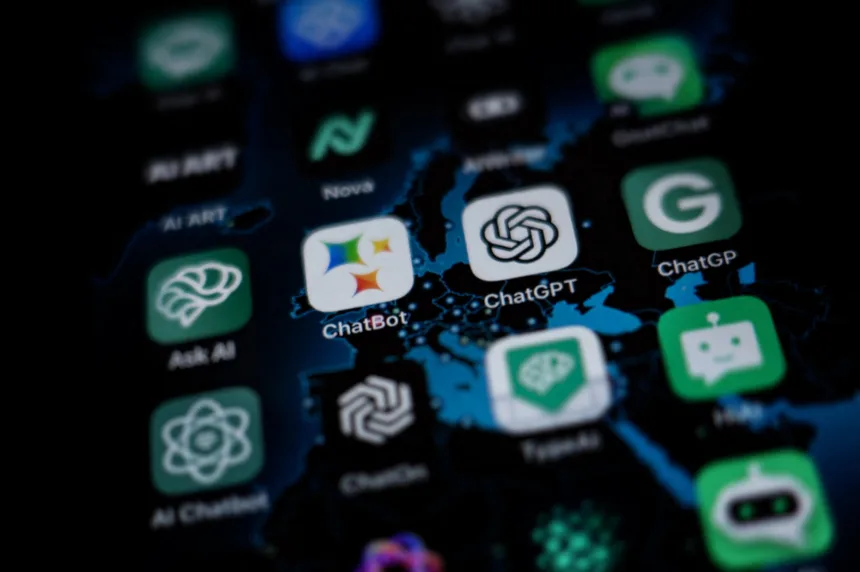
Consumer awareness also varies widely. Many users associate mobile AI primarily with standalone chatbot apps like ChatGPT, rather than integrated system-level tools operating behind the scenes. While usage of AI platforms has surged globally, that momentum has not always translated into immediate smartphone replacement cycles.
At the same time, enterprise adoption of AI continues to expand at a rapid pace, particularly in business analytics, automation, and customer service applications. This contrast highlights the challenge smartphone makers face: transforming AI from a novelty feature into an invisible but indispensable layer of daily digital life.
Samsung and Google are not alone in pursuing this transition. Competitors are similarly investing in more contextual voice assistants and cross-app coordination tools. The broader industry recognizes that failing to adapt to AI-driven interaction models could quickly erode market leadership. As software capabilities advance, the central question is not whether smartphones will become more autonomous, but how quickly consumers will embrace devices that act before being asked.