Advanced AI Models Transform Cybersecurity by Detecting Software Vulnerabilities
Artificial intelligence is rapidly reshaping the cybersecurity landscape, with new models demonstrating an unprecedented ability to identify critical software vulnerabilities. What once seemed like a technology prone to errors and “hallucinations” is now evolving into a powerful tool capable of scanning complex systems and uncovering security flaws across widely used digital infrastructure.
These advancements are being closely monitored by developers and cybersecurity professionals, as the same capabilities that strengthen digital defenses could also be leveraged by malicious actors. The shift represents a turning point in how vulnerabilities are discovered, analyzed, and potentially exploited.
Breakthrough AI Capabilities in Cyber Defense
Recent developments highlight how AI models are becoming increasingly effective at identifying high-risk vulnerabilities in operating systems, web browsers, and core internet infrastructure. These systems are essential to global digital operations, powering everything from personal devices to enterprise networks.
Organizations involved in open-source and infrastructure development are exploring how AI can enhance software security. Insights into these technologies and their broader implications can be found through https://www.linuxfoundation.org, which plays a key role in maintaining critical software like the Linux kernel.
In addition to detection, newer AI systems are capable of suggesting ways vulnerabilities might be exploited. While this capability can help developers understand risks more deeply, it also introduces new concerns about how such tools might be misused.
Balancing Security Benefits and Cyber Risks
The dual-use nature of AI in cybersecurity has sparked significant debate. On one hand, AI-driven tools can accelerate the process of identifying and fixing vulnerabilities, reducing the window of exposure for critical systems. On the other, the same tools could enable cybercriminals or state-sponsored actors to identify weak points more efficiently.
Cybersecurity frameworks and threat intelligence resources, such as those outlined on https://www.cisa.gov and https://www.nist.gov, emphasize the importance of proactive defense strategies in this evolving environment. These include continuous monitoring, rapid patching, and strengthening authentication practices.
Experts note that while the technology is advancing quickly, the most common security risks still stem from basic issues such as weak passwords or phishing attacks. This suggests that human behavior remains a critical factor in overall cybersecurity resilience.
Controlled Deployment and Industry Collaboration
Given the potential risks, access to the most advanced AI cybersecurity tools is being tightly controlled. Some models are being tested within limited partnerships involving trusted organizations, with the goal of securing critical infrastructure before broader deployment.
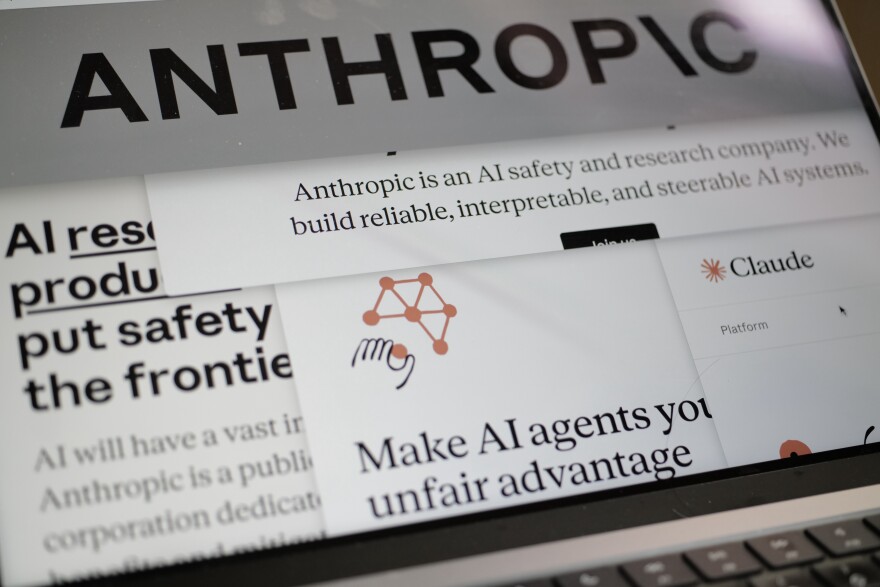
Collaborative efforts between technology companies and cybersecurity institutions are becoming increasingly important. Platforms like https://www.anthropic.com and https://www.proofpoint.com provide insight into how private sector innovation is shaping the future of digital security.
These partnerships aim to strike a balance between innovation and safety, ensuring that powerful AI tools are used responsibly while minimizing the risk of misuse. As AI continues to evolve, its role in cybersecurity is expected to expand, fundamentally changing how digital threats are managed.
The rapid progress of AI in this field underscores both its promise and its complexity. While it offers powerful new defenses against cyber threats, it also introduces new challenges that will require careful oversight, collaboration, and ongoing adaptation.