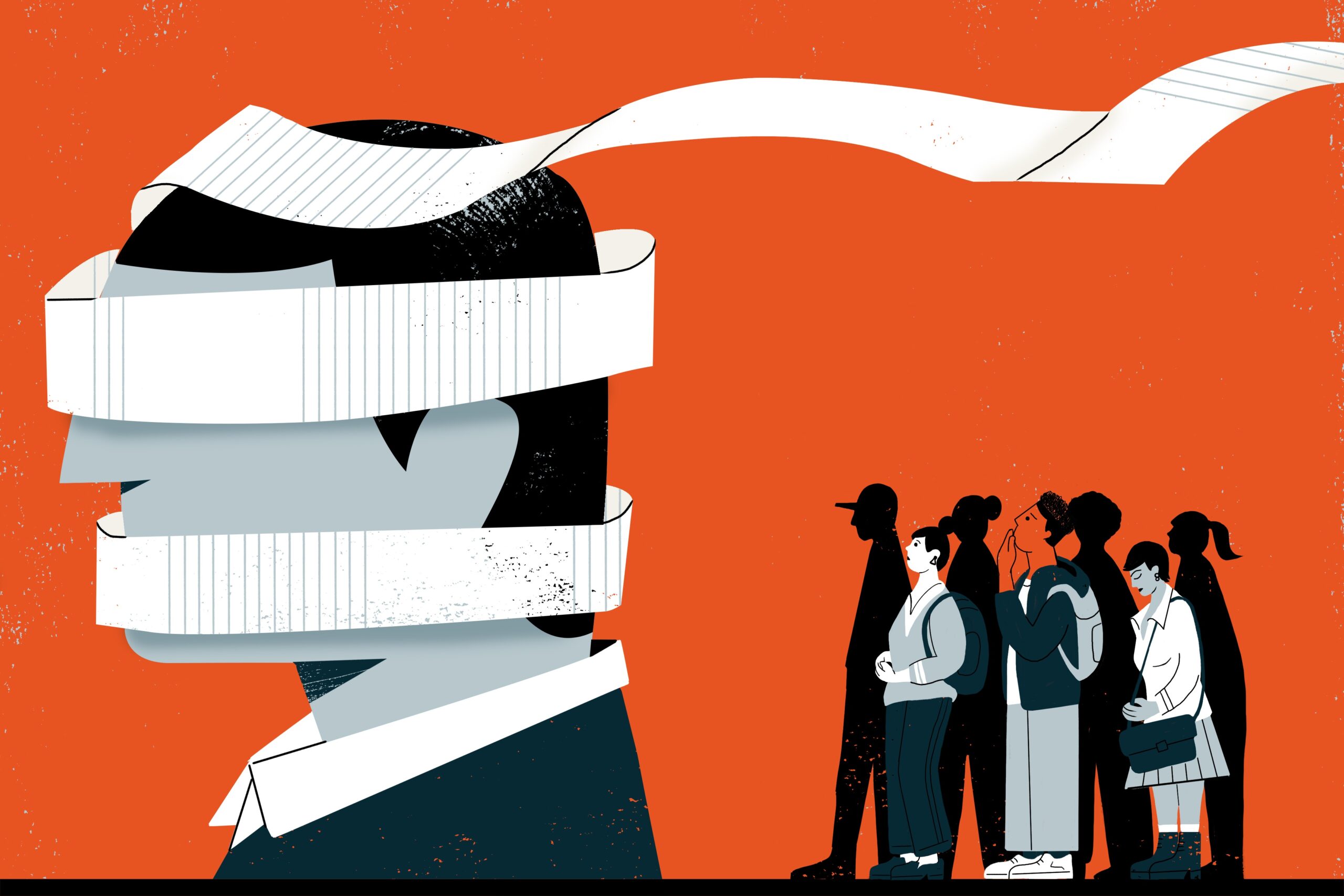
Artificial intelligence is increasingly shaping how people search for health information online. Millions of users now turn to AI-powered chatbots for explanations of symptoms, treatment ideas, and guidance on whether medical attention is necessary. Platforms developed by companies such as OpenAI have become part of everyday decision-making, with many individuals consulting these tools before contacting a doctor.
The accessibility of AI has made medical knowledge easier to reach than ever before. However, researchers and physicians are warning that the convenience comes with risks. When people describe symptoms in ways that are incomplete or unclear, AI systems may generate guidance that fails to reflect the seriousness of a condition.
Why AI Struggles With Real-World Medical Questions
Artificial intelligence systems are trained on enormous volumes of medical and scientific data, which allows them to recognize patterns and generate explanations. In controlled tests, some large language models have demonstrated impressive reasoning abilities when diagnosing hypothetical illnesses. Yet the real world rarely resembles those structured scenarios.
One challenge is that people often struggle to explain their symptoms precisely. Doctors spend years learning how to ask detailed follow-up questions that reveal hidden clues about a patient’s condition. AI systems depend heavily on the exact wording provided by users, which can significantly influence the response.
For example, describing a headache as “the worst headache ever experienced” could prompt an AI tool to recommend urgent care, while a more casual description might lead the same system to suggest rest or pain medication. In certain situations, that difference in phrasing could determine whether a potentially dangerous condition is recognized.
Health experts emphasize that medical context matters just as much as symptoms themselves. Guidelines published by organizations like the World Health Organization highlight the importance of clinical evaluation, physical examination, and medical history—elements that AI tools cannot fully replicate through text alone.
When Correct Diagnoses Still Lead to Risky Advice
Another concern is that even when AI identifies a condition correctly, it may misjudge how urgently a patient needs treatment. In simulated scenarios designed to test medical decision-making, AI systems sometimes underestimated the severity of emergencies.
These situations are known as “under-triage,” meaning the tool suggests that a condition is less serious than it actually is. For example, certain critical illnesses require immediate hospital care to prevent complications. If an AI system suggests waiting at home or trying over-the-counter medication first, valuable time could be lost.
Medical organizations stress that triage decisions are complex and require professional judgment. Institutions such as the Mayo Clinic note that symptoms can evolve rapidly and often require in-person evaluation, laboratory tests, or imaging studies before a diagnosis can be confirmed.
At the same time, AI developers argue that newer models are improving quickly. Updated versions of many chatbots now include safety mechanisms designed to encourage users to seek professional care when symptoms appear serious or uncertain.
How AI Can Still Support Better Doctor–Patient Communication
Despite the risks, many physicians believe AI tools can still play a constructive role in healthcare when used appropriately. Instead of replacing medical professionals, these systems may help patients better understand their health before and after medical appointments.
For instance, AI can help individuals research terminology they encounter during consultations, review possible treatment options, or organize questions for their doctor. This preparation can make clinical visits more efficient and help patients participate more actively in decisions about their care.
Researchers studying medical technology at institutions such as Harvard Medical School suggest that AI may also assist doctors by summarizing patient histories, organizing clinical notes, and improving communication between healthcare providers and patients.
As AI continues to evolve, many experts believe the most effective approach will involve collaboration rather than replacement. Digital tools can provide educational support and preliminary information, while trained physicians remain responsible for diagnosis, treatment decisions, and the human connection that is central to medical care.