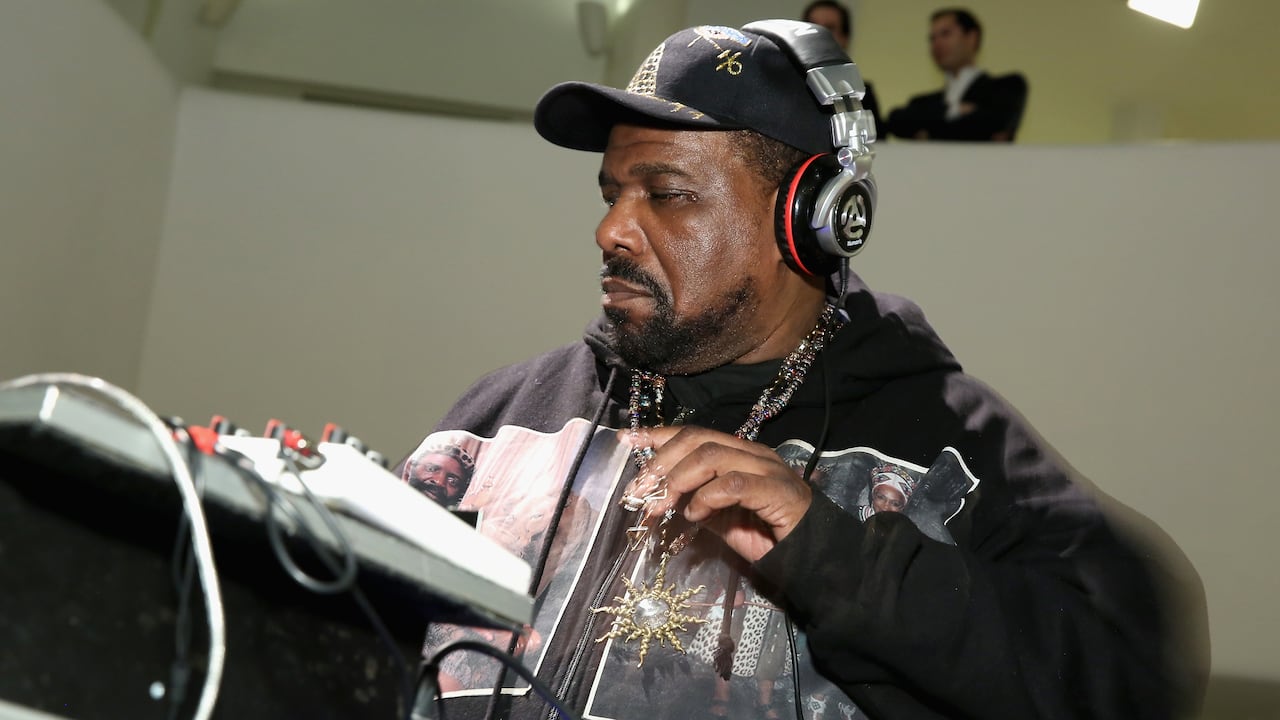
Afrika Bambaataa, Hip-Hop Pioneer and Cultural Architect, Dies at 68
Afrika Bambaataa, widely recognized as one of the foundational architects of hip-hop culture and a pioneer of electro music, has died at the age of 68. Known for groundbreaking tracks such as “Planet Rock” and “Looking for the Perfect Beat,” his influence extended far beyond music, shaping a global cultural movement rooted in creativity, unity, and social awareness.
Born Lance Taylor in 1957 in the South Bronx, New York, Bambaataa emerged during the formative years of hip-hop in the 1970s. His early work as a DJ helped define the sound and spirit of a genre that would eventually become a dominant force worldwide. His ability to blend funk, soul, electronic music, and experimental sounds positioned him as a visionary within a rapidly evolving scene.
Building Hip-Hop as a Cultural Movement
Bambaataa’s contributions went beyond music production. As the founder of the Universal Zulu Nation, he played a central role in shaping hip-hop as a cultural and social movement. The organization brought together DJs, dancers, graffiti artists, and community members with a shared mission of promoting peace, unity, and creative expression.
Through this collective, Bambaataa helped transform urban youth culture into a global phenomenon. His work emphasized the power of art as a tool for social change, particularly in communities facing economic hardship and systemic challenges. The principles he championed continue to influence hip-hop culture today.
More information about the evolution of hip-hop culture can be explored through platforms like https://www.rockhall.com and https://www.smithsonianmag.com, which document the genre’s historical and cultural significance.
Musical Innovation and Global Impact
Bambaataa’s 1982 release “Planet Rock” marked a turning point in music history. By incorporating electronic elements inspired by European synth sounds into hip-hop, he helped create the electro-funk genre. The track’s use of drum machines and synthesizers set a new standard for production and influenced generations of artists across multiple genres.
His willingness to experiment with sound and technology distinguished him from many of his contemporaries. While other DJs focused primarily on disco and funk, Bambaataa introduced eclectic influences, including rock and electronic music, expanding hip-hop’s sonic boundaries.
His global tours in the 1980s played a crucial role in spreading hip-hop culture internationally. Today, the genre’s worldwide reach is evident across platforms such as https://www.billboard.com and https://www.grammy.com, where hip-hop consistently ranks among the most influential and commercially successful music styles.
Legacy Marked by Influence and Controversy
Despite his groundbreaking contributions, Bambaataa’s legacy has been complicated by serious allegations that emerged later in his life. Multiple individuals accused him of abuse dating back to the 1980s, allegations he consistently denied. These claims significantly impacted his public image and led to his departure from leadership roles within the organizations he founded.
In 2025, a civil case further intensified scrutiny when a ruling was issued after he failed to respond or appear in court. The legal developments added a layer of controversy to an already complex legacy, prompting ongoing debate about how to evaluate his cultural impact.
Bambaataa’s story reflects both the transformative power of artistic innovation and the challenges of reconciling public influence with personal accountability. His contributions to music and culture remain undeniable, even as discussions about his legacy continue within the global hip-hop community.