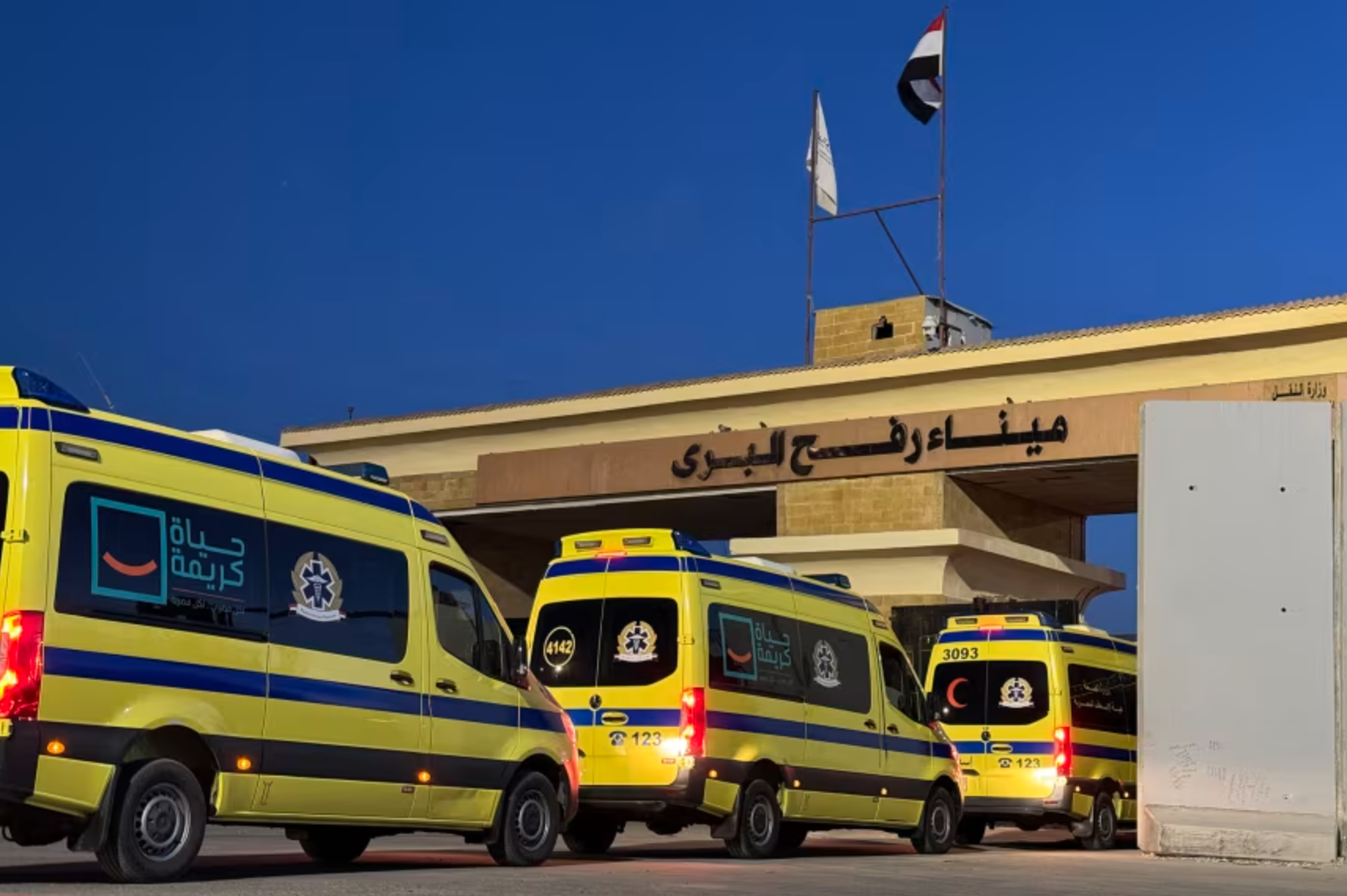
A pivotal moment in the regional diplomatic process occurred this Monday morning as the Rafah crossing, the primary gateway between the Gaza Strip and Egypt, partially reopened for the first time in nearly two years. This strategic corridor had remained effectively sealed since May 2024, creating a profound isolation for the coastal enclave. The current reactivation is being managed by the European Union, which has deployed personnel to oversee operations as a foundational component of the broader peace architecture currently being established in the Middle East.
Strategic Framework of the Peace Agreement
The restoration of movement at the border serves as the final milestone for the initial phase of a comprehensive ceasefire brokered by the United States. This agreement, which officially commenced in mid-October, has faced numerous delays due to complex security negotiations and requirements regarding the return of personnel. With the recent repatriation of the final remains of those held during the conflict, the political barriers to opening the gates have finally subsided. The transition into this new stage of the agreement was highlighted during recent high-level discussions at the World Economic Forum, where international leaders outlined the “Board of Peace” initiative designed to stabilize the region through technocratic governance and economic integration.
Humanitarian Implications for Medical Evacuations
For the thousands of residents within the enclave, the reopening represents a desperate hope for medical intervention that has been unavailable for twenty-four months. The health infrastructure in the region has been under immense strain, leaving patients with chronic conditions in a state of terminal waiting. Data provided by the World Health Organization indicates that over 20,000 individuals require specialized treatment abroad, with hundreds of cases classified as immediately life-threatening. While the initial operational capacity is restricted to just 50 people per day in both directions, the symbolic and practical importance of this “lifeline” cannot be overstated for families who have seen nearly 1,300 of their loved ones pass away while awaiting travel permits.
Economic Challenges and Operational Constraints
Despite the optimism surrounding the reopening, significant hurdles remain for the average citizen. The bureaucratic process is rigorous, and the historical cost of transit has often reached several thousand dollars per person, a sum that remains far out of reach for most of the population. Furthermore, the current mandate for the crossing is strictly limited to the movement of people. Restrictions imposed by the Ministry of Foreign Affairs and security officials ensure that, for the time being, no commercial goods or humanitarian aid shipments will be processed through this specific terminal. This policy underscores the “limited” nature of the current phase, focusing exclusively on civilian mobility and security vetting before broader trade can be discussed in the subsequent stages of the 20-point peace plan.