Academic and Corporate Leaders Join Forces at the United Nations
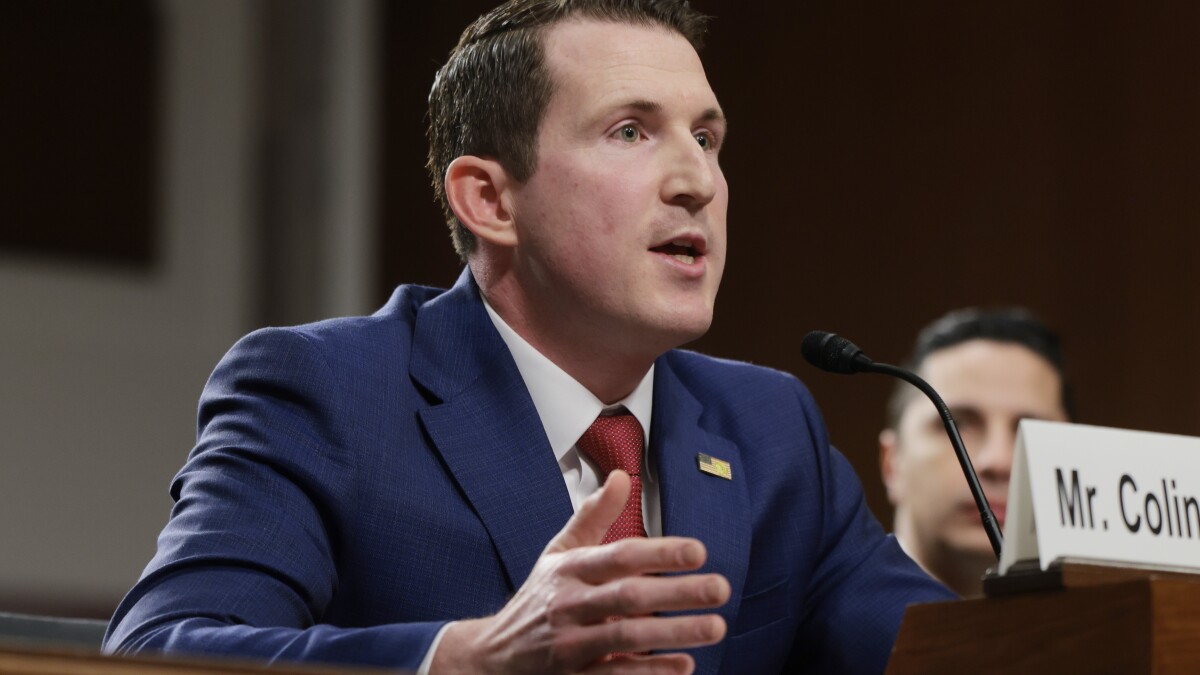
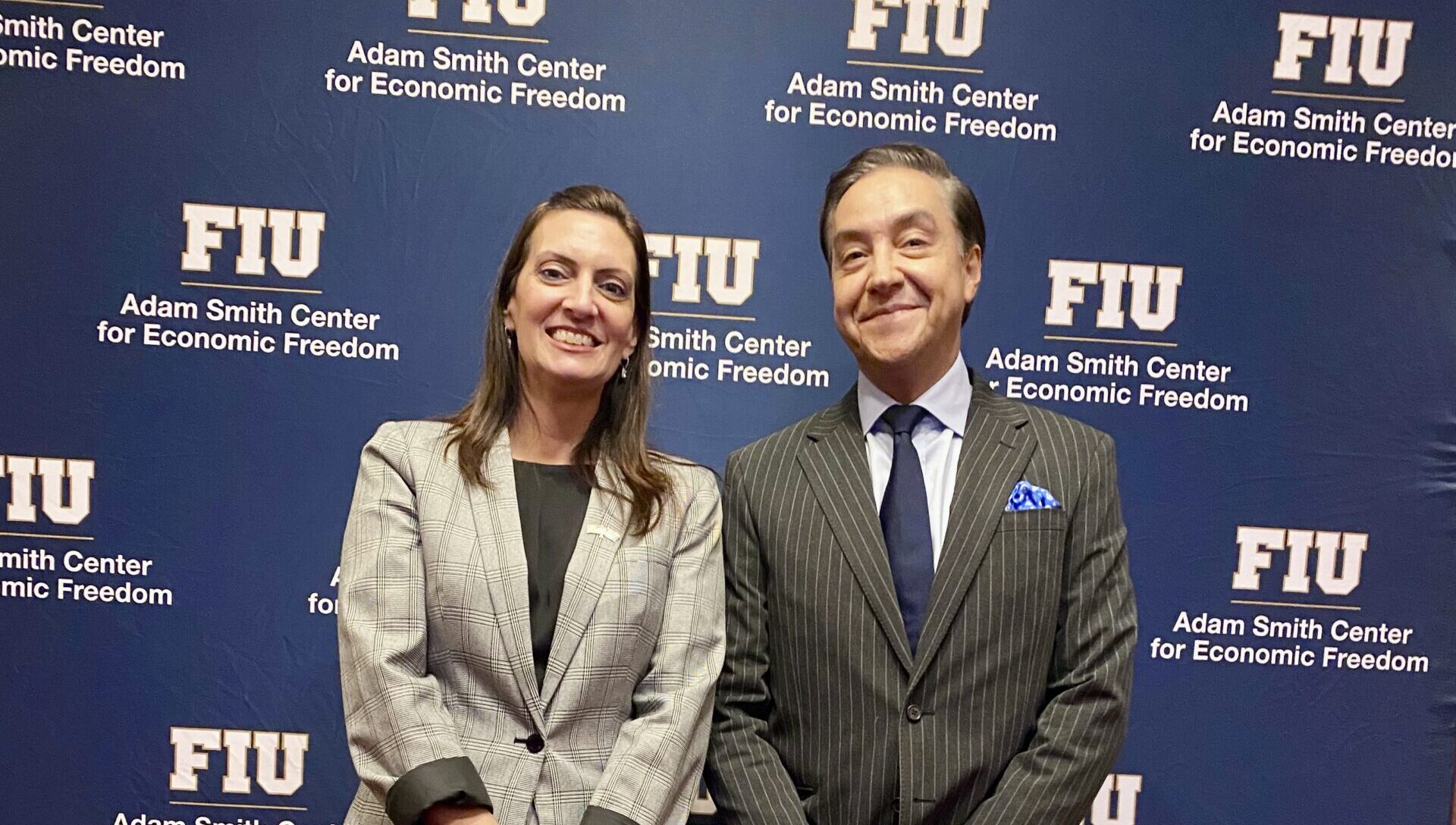
During the 2025 United Nations activities, Javier Cárdenas Moreno, CEO of Rhino Equipment, met with Janette M. Núñez, President of Florida International University (FIU). They discussed how academic institutions and business leaders can jointly accelerate global development. Their exchange highlighted a growing international interest in building stronger bridges between educational innovation and business strategy. This approach is increasingly essential in a world defined by rapid technological transformation and competitive global markets.
Both leaders stressed that the UN continues to serve as a key platform for multidisciplinary dialogue. Cárdenas emphasized that the private sector has a responsibility to engage with global institutions. He mentioned contributing not only economic expertise but also long-term strategic thinking. Their conversation aligns with broader global initiatives related to sustainable growth. These are also referenced in fields such as entrepreneurship trends (https://www.entrepreneur.com), sustainable development frameworks (https://sdgs.un.org), higher education research (https://www.timeshighereducation.com), and international business innovation (https://hbr.org).
Strengthening University–Industry Partnerships for Innovation
Janette M. Núñez emphasized that universities must deepen collaboration with industry. This is to prepare the next generation of professionals for emerging global challenges. She highlighted FIU’s commitment to expanding academic programs that combine research, international cooperation, and innovation-driven curricula.
Cárdenas added that companies operating internationally—particularly those involved in technology, engineering, and infrastructure—depend heavily on educational institutions. They cultivate talent with global vision. He explained that modern industries need professionals who understand digital transformation, sustainable engineering, and cross-border business operations. By working alongside universities, companies can help guide educational priorities toward real-world needs. Meanwhile, academia provides the research and analytical strength required to develop long-term solutions.
Shared Vision for Sustainable Development and Global Competitiveness
The meeting underscored the importance of merging business perspectives with academic frameworks to support innovation ecosystems across the United States, Ibero-America, and other regions. Cárdenas and Núñez agreed that the next decade will demand stronger cooperation between universities, corporations, and multilateral organizations. This will ensure economic growth aligned with environmental and social sustainability.
Both leaders reaffirmed that the UN 2025 activities offer a decisive opportunity to promote projects capable of generating high-impact results. Their joint vision positions education and business leadership as fundamental pillars for global progress. It encourages nations to adopt integrated strategies that elevate competitiveness, foster talent development, and support sustainable economic expansion.
This approach also reinforces the role of cross-regional collaboration. It enables academic and corporate institutions to share best practices, open international opportunities for students and professionals, and contribute to a more innovative global economy.