A Century-Old Vision Behind a Millennia-Old Tradition
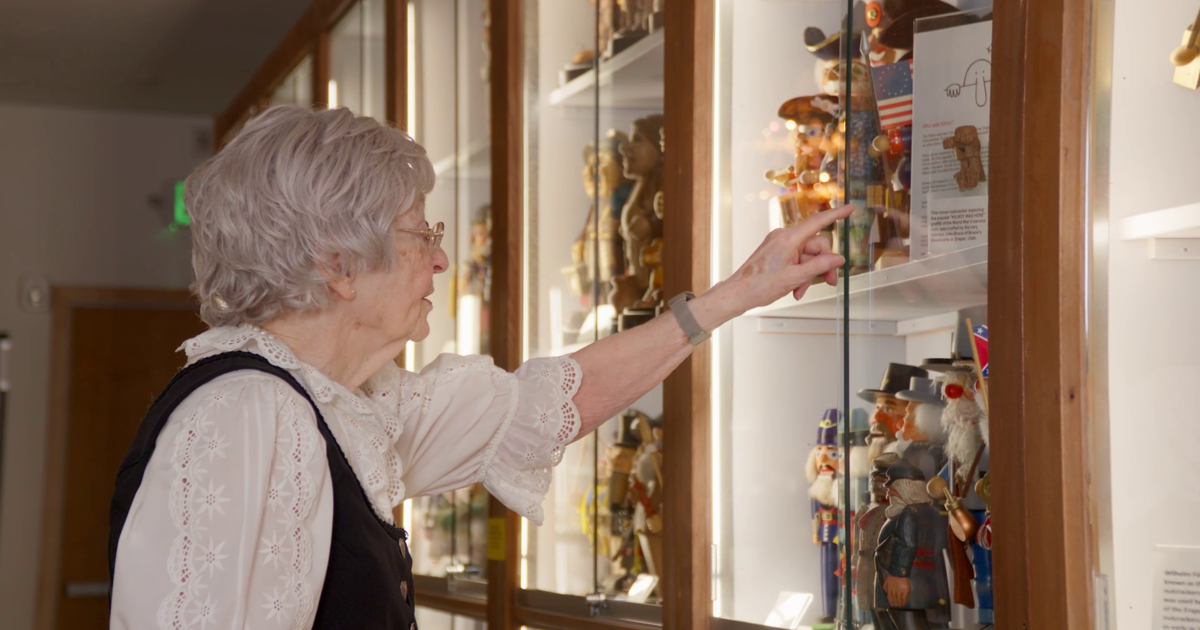
Deep in the Bavarian-themed town of Leavenworth, Washington, the largest nutcracker museum in the United States continues to thrive under the leadership of 101-year-old Arlene Wagner. Her museum houses more than 9,000 handcrafted nutcrackers, including pieces dating as far back as 200 A.D. Wagner, easily recognized by her pearl necklace and traditional German dirndl, greets visitors with an enthusiasm that reflects both her entrepreneurial spirit and her lifelong dedication to the art of nutcrackers. What began in 1976 as a search for a prop for a ballet performance evolved into a massive collection spanning 50 countries and two millennia. Wagner’s passion grew as she and her late husband traveled to antique shows, estate sales, and European markets, discovering wooden, metal, porcelain, bone, and stone nut-cracking tools from around the world. She often jokes that they never took a cruise because all their travels were dedicated to expanding the collection. By 1995, the couple had acquired more than 7,000 pieces, making it impossible to display them at home, which ultimately inspired the creation of the museum. Wagner continued expanding the collection even after her husband’s passing, earning a Guinness World Record in 2021 for 9,103 unique nutcrackers. Although another collector later surpassed this number, Wagner remains proud of the museum’s global recognition.
To enrich the visitor experience, the museum highlights historic crafting techniques and cultural symbolism. Guests who want to learn more about traditional craftsmanship can explore additional information through resources like the Smithsonian’s section on decorative arts at https://www.si.edu, which helps place Wagner’s collection within the wider context of human creativity. The museum also welcomes visitors researching the evolution of tools and materials, an area extensively documented in the Metropolitan Museum of Art’s archives at https://www.metmuseum.org, which offer insight into global artistic heritage. These connections strengthen the educational foundation of the museum and give depth to the origins of many pieces within its walls.
Rare Ancient Artifacts and Cultural Icons from Around the Globe
Inside the museum, custom-made display cases showcase one of the world’s most diverse nutcracker collections. Among Wagner’s most treasured items is a bronze nutcracker dated between 200 B.C. and 200 A.D., recovered near the ancient Roman region between Rome and Naples. This 12-inch device features lion designs, suggesting it once belonged to an affluent Roman household. Another prized artifact is an 8-inch French lever-style nutcracker crafted from boxwood and dated 1554, recognized as the earliest known dated nutcracker in existence. Wagner’s collection includes pieces carved from ivory, bone, and exotic hardwoods as well as ornate Indian betel cutters and stone nutting bowls thousands of years old. One of the first-floor walls features a vibrant celebration of American holidays, with nutcrackers inspired by New Year’s, Valentine’s Day, Cinco de Mayo, and more, each representing different artistic interpretations created over decades.
Visitors curious about global holiday traditions often navigate to educational resources like National Geographic’s cultural history pages at https://www.nationalgeographic.com, which complement the museum’s exploration of international storytelling through handcrafted objects. Wagner frequently welcomes collectors who travel from across the country to connect their personal holiday traditions with the historical evolution displayed in the museum.
A Living Legacy in the Heart of a Bavarian-Themed Town
Leavenworth’s Bavarian-style architecture draws thousands of tourists each year, and the nutcracker museum remains one of its most beloved attractions. Nestled near restaurants, German shops, and alpine-themed storefronts, the museum becomes a major highlight during the winter season, when nutcrackers take center stage in homes across the United States. The widespread popularity of nutcrackers can be traced to literary traditions and cultural shifts that began in the early 19th century, particularly with the release of E.T.A. Hoffmann’s story “The Nutcracker and the Mouse King”, which shaped modern imagery and holiday symbolism. In the decades following World War II, American soldiers stationed in Germany brought brightly painted nutcrackers home, creating a surge in demand that helped transform them into quintessential Christmas icons. The tradition expanded even further after the 1954 premiere of George Balanchine’s version of The Nutcracker, a ballet that introduced millions of Americans to the toy soldier figure associated with the story.
Today, Wagner continues welcoming visitors with the same energy she has brought to the museum for decades. She greets families, distributes scavenger hunts, and oversees the gift shop, where a new hand-carved 10-inch replica of herself has recently become available. Wagner credits her longevity to staying active and remaining committed to her work. As she prepares her successor, she ensures that the museum’s mission continues thriving for future generations. Those interested in exploring classical storytelling and cultural heritage beyond the museum often turn to resources like Project Gutenberg, available at https://www.gutenberg.org, which provides access to thousands of historical texts that have shaped how societies celebrate traditions.